Orthopaedic treatments

Precision Care for Lasting Relief.

Joint Pain

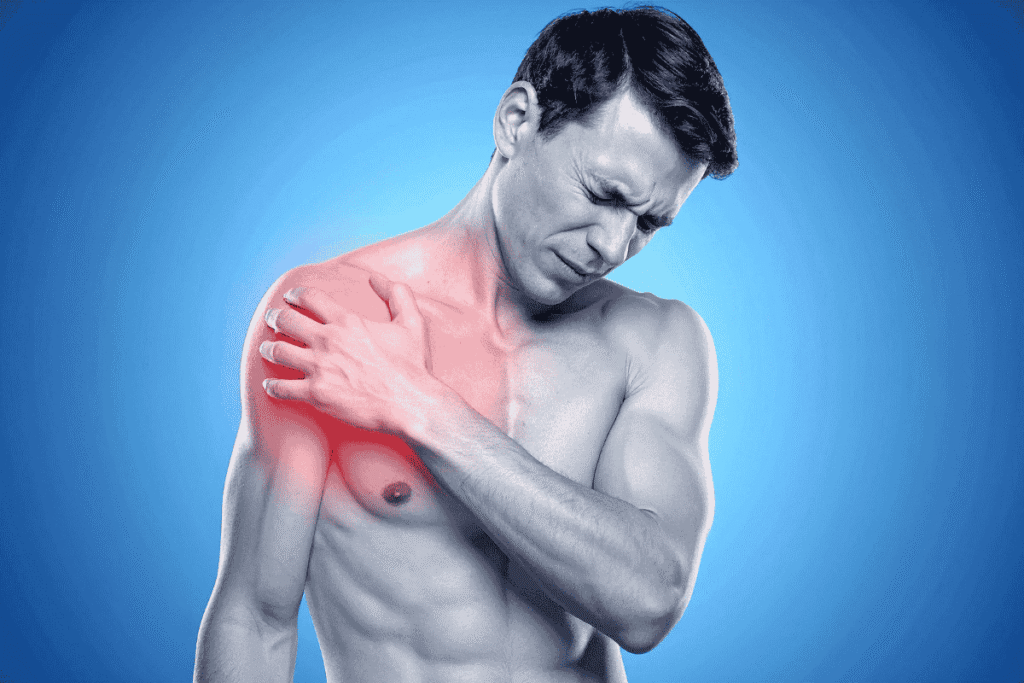
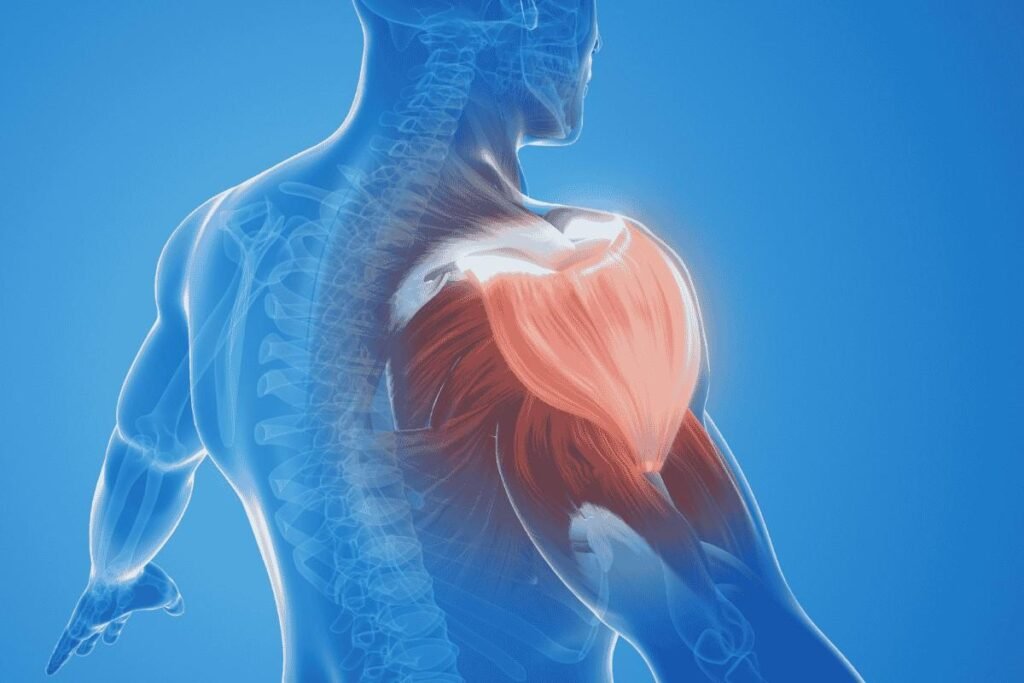
Joint pain in the knee, shoulder, or hip can significantly affect your daily mobility and overall quality of life. These major joints carry your body’s weight, support movement, and help you perform essential activities. Pain in these areas may result from arthritis, injuries, ligament tears, tendon inflammation, overuse, or age-related degeneration. At Rejoint Ortho Care, we identify the exact cause of your discomfort through detailed examination and advanced diagnostics. Our personalized treatment plans aim to reduce pain, restore strength, and improve joint function. Whether your symptoms are mild or severe, we provide effective solutions to help you move comfortably and confidently again.

Understanding Joint Pain

Joint pain can occur due to wear and tear, injury, inflammation, or underlying medical conditions such as arthritis. It may present as stiffness, swelling, limited movement, or discomfort during daily activities. Factors like aging, sports injuries, posture issues, and repetitive strain can also contribute to joint-related problems. At Rejoint Ortho Care, we start by understanding your symptoms, medical history, and lifestyle patterns to identify what is causing your pain. With the help of digital X-rays and clinical evaluation, we determine the root cause and guide you toward the right treatment to restore mobility and prevent long-term complications.

HOW THE PROCESS WORKS

Expert Orthopaedic Care

We provide specialized orthopaedic evaluation and treatment to relieve pain, restore mobility, and support long-term joint health.
Advanced Diagnostics

Our digital X-rays and lab tests ensure accurate diagnosis, enabling precise treatment planning for faster, effective recovery.
Reliable Outcomes

Personalized care, expert guidance, and evidence-based treatments deliver consistent, long-lasting improvements for every patient’s condition
Treatments We Offer for Joint Pain

At Rejoint Ortho Care, we provide comprehensive, personalized treatment plans designed to relieve joint pain and improve overall function. Our approach begins with a detailed assessment to understand your condition and identify the underlying cause. Treatments may include physiotherapy to strengthen muscles, improve flexibility, and reduce stiffness; medications for pain relief and inflammation control; or lifestyle modifications to support long-term joint health. When required, we use supportive devices such as braces, orthotics, or traction. For more advanced cases, we offer non-surgical options like injections or minimally invasive procedures. Surgery is recommended only when absolutely necessary, ensuring safe and effective outcomes.

Joint Pain: Causes, Symptoms, and How to Manage It

Causes of Joint Pain

  • Arthritis conditions such as osteoarthritis, rheumatoid arthritis, or gout.

  • Injuries including sprains, strains, fractures, or ligament tears.

  • Overuse or repetitive stress from work, sports, or daily activities.

  • Age-related cartilage wear and degeneration of joint surfaces.

  • Inflammation of surrounding tissues like bursitis or tendonitis.

  • Poor posture, obesity, or muscle weakness increasing joint stress.

Symptoms of Joint Pain

  • Pain during movement or even at rest.

  • Stiffness, especially in the morning or after inactivity.

  • Swelling around the joint due to inflammation or fluid buildup.

  • Reduced range of motion affecting daily activities.

  • Tenderness or warmth over the affected joint.

  • Clicking, popping, or grinding sensations during movement.

What Can I Do If I Have Joint Pain?

  • Rest the joint and avoid activities that increase pain.

  • Apply ice for swelling and heat for stiffness.

  • Do gentle stretching or low-impact exercises to maintain mobility.

  • Wear supportive braces to reduce strain on the joint.

  • Maintain proper posture to avoid unnecessary pressure.

  • Seek early medical help at Rejoint Ortho Care for accurate diagnosis and treatment.

Relieving Pain, Restoring Movement

Back and Neck Pain

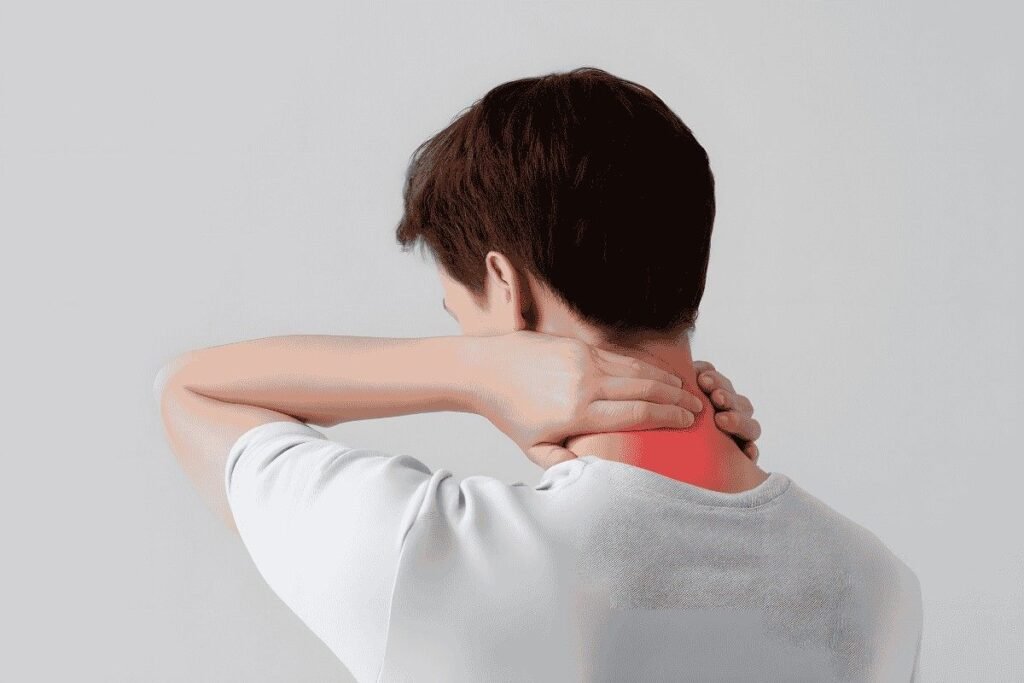
Back and neck pain are extremely common musculoskeletal issues that affect people of all ages. They can impact daily activities, cause stiffness, limit movement, and significantly reduce overall quality of life. These conditions may arise from poor posture, muscle strain, disc problems, or lifestyle habits such as prolonged sitting. At Rejoint Ortho Care, we conduct a thorough clinical evaluation supported by digital X-rays to identify the exact cause of your discomfort. Our personalized treatment plans focus on relieving pain, improving flexibility, and restoring proper function. Whether your pain is recent or long-standing, our goal is to help you return to a comfortable, active, pain-free life.

Understanding Back and Neck Pain

Understanding back and neck pain begins with identifying the factors that contribute to it. These issues often arise from poor posture, muscle strain, disc problems, arthritis, or nerve compression. Lifestyle habits such as prolonged sitting, improper lifting, and insufficient exercise can increase stress on the spine and worsen symptoms. Pain can range from mild discomfort to severe, debilitating episodes that affect daily activities. Early evaluation is essential to prevent complications and long-term damage. At Rejoint Ortho Care, we carefully assess the underlying cause of your pain and design personalized, effective treatment plans that support long-term relief, improved mobility, and better spine health.

HOW THE PROCESS WORKS

Expert Orthopaedic Care

We provide specialized orthopaedic evaluation and treatment to relieve pain, restore mobility, and support long-term joint health.

Advanced Diagnostics

Our digital X-rays and lab tests ensure accurate diagnosis, enabling precise treatment planning for faster, effective recovery.

Reliable Outcomes

Personalized care, expert guidance, and evidence-based treatments deliver consistent, long-lasting improvements for every patient’s condition
Treatment for Back and Neck Pain

At Rejoint Ortho Care, we offer comprehensive treatments designed to address the root cause of back and neck pain. Our approach begins with a detailed evaluation and digital X-rays to ensure accurate diagnosis. Treatment may include physiotherapy to improve flexibility, strengthen muscles, and correct posture, along with manual therapy to relieve stiffness and restore movement. Medications may be prescribed for pain and inflammation when needed. For certain conditions, traction therapy, ergonomic guidance, and targeted rehabilitation exercises are recommended. In advanced cases, minimally invasive procedures may be considered. Our goal is to provide effective, long-lasting relief and help you return to pain-free living.

Back and Neck Pain: Causes, Symptoms, and How to Manage It

Causes of Back and Neck Pain

  • Poor posture or prolonged sitting
  • Muscle strain from sudden movements or overuse

  • Disc bulge or herniated disc

  • Arthritis or age-related degeneration

  • Nerve compression, including sciatica or cervical radiculopathy

  • Trauma, injuries, or whiplash

  • Weak core or back muscles

Symptoms of Back and Neck Pain

  • Pain or stiffness in the back or neck

  • Reduced mobility or difficulty turning, bending, or lifting

  • Radiating pain to shoulders, arms, legs, or hips

  • Muscle tightness, spasms, or sharp shooting pain

  • Tingling, numbness, or weakness in limbs

  • Headaches caused by cervical tension

What Can I Do If I Have Back or Neck Pain?

  • Maintain proper posture while sitting, standing, and working

  • Use heat for muscle relaxation and ice for swelling

  • Do gentle stretches and mobility exercises

  • Avoid heavy lifting or sudden twisting movements

  • Use a supportive chair and proper pillow height

  • Seek early medical advice at Rejoint Ortho Care for proper diagnosis and treatment

Stronger Spine, Better Living

Arthritis and Age-Related Joint Issues

Arthritis and age-related joint problems are among the leading causes of persistent joint pain, especially in the knees, hips, shoulders, and hands. As the joints age, the protective cartilage gradually wears down, causing friction, inflammation, stiffness, and reduced mobility. Conditions like osteoarthritis commonly affect older adults, but can also develop earlier due to injuries, repetitive strain, or genetics. At Rejoint Ortho Care, we focus on early identification of arthritis-related joint pain through detailed evaluation and digital X-rays. Our personalized treatment plans aim to reduce pain, maintain joint function, and improve quality of life through physiotherapy, medication, lifestyle guidance, and joint-preserving techniques.

Understanding Arthritis & Age-Related Joint Issues

Arthritis and age-related joint issues occur when the protective cartilage in the joints gradually wears down, causing friction, inflammation, and reduced mobility. As people age, the joints naturally lose strength and lubrication, making movement more difficult and uncomfortable. Osteoarthritis is the most common cause, often affecting weight-bearing joints like the knees and hips. Previous injuries, repetitive stress, obesity, and genetic tendencies may accelerate degeneration. At Rejoint Ortho Care, we focus on understanding how arthritis affects your daily life through detailed evaluation and digital imaging. This helps us create targeted treatment plans that protect your joints, reduce pain, and support long-term mobility.

HOW THE PROCESS WORKS

Expert Orthopaedic Care

We provide specialized orthopaedic evaluation and treatment to relieve pain, restore mobility, and support long-term joint health.

Advanced Diagnostics

Our digital X-rays and lab tests ensure accurate diagnosis, enabling precise treatment planning for faster, effective recovery.

Reliable Outcomes

Personalized care, expert guidance, and evidence-based treatments deliver consistent, long-lasting improvements for every patient’s condition
Treatment for Arthritis & Age-Related Joint Pain

Treatment for arthritis and age-related joint pain at Rejoint Ortho Care focuses on relieving discomfort, improving mobility, and slowing joint degeneration. After a thorough evaluation, our specialist may recommend physiotherapy to strengthen muscles, improve flexibility, and reduce stress on affected joints. Medications may be prescribed to control inflammation and pain. Lifestyle modifications, weight management, and activity guidance play a major role in long-term joint protection. We may also use supportive devices, joint preservation techniques, or injections when necessary. Surgery is considered only in advanced cases where conservative treatments are no longer effective. Our goal is to maintain function and help patients stay active and independent.

Arthritis & Age-Related Joint Pain: Causes, Symptoms, and How to Manage It

Causes of Arthritis & Age-Related Joint Pain

  • Natural cartilage wear due to aging

  • Osteoarthritis or inflammatory arthritis conditions

  • Previous injuries accelerating joint degeneration

  • Repetitive stress from work or physical activity

  • Reduced joint lubrication over time

  • Muscle weakness affecting joint stability

  • Genetic factors or metabolic disorders

Symptoms of Arthritis & Age-Related Joint Pain

  • Persistent joint pain during movement or rest

  • Stiffness, especially in the morning

  • Swelling or tenderness around the joint

  • Reduced ability to bend, walk, or lift

  • Grinding or cracking sounds during movement

  • Warmth or mild redness in the joint

  • Difficulty performing daily activities

What Can I Do If I Have Arthritis & Age-Related Joint Pain?

  • Maintain a healthy weight to reduce joint stress

  • Do gentle stretching and low-impact exercises daily

  • Use heat for stiffness and ice for swelling

  • Avoid overloading or twisting painful joints

  • Use braces or supports to stabilize weak joints

  • Follow good posture and ergonomic habits

  • Seek early evaluation at Rejoint Ortho Care for proper diagnosis and treatment

Recover Faster. Perform Better

Sports Injuries

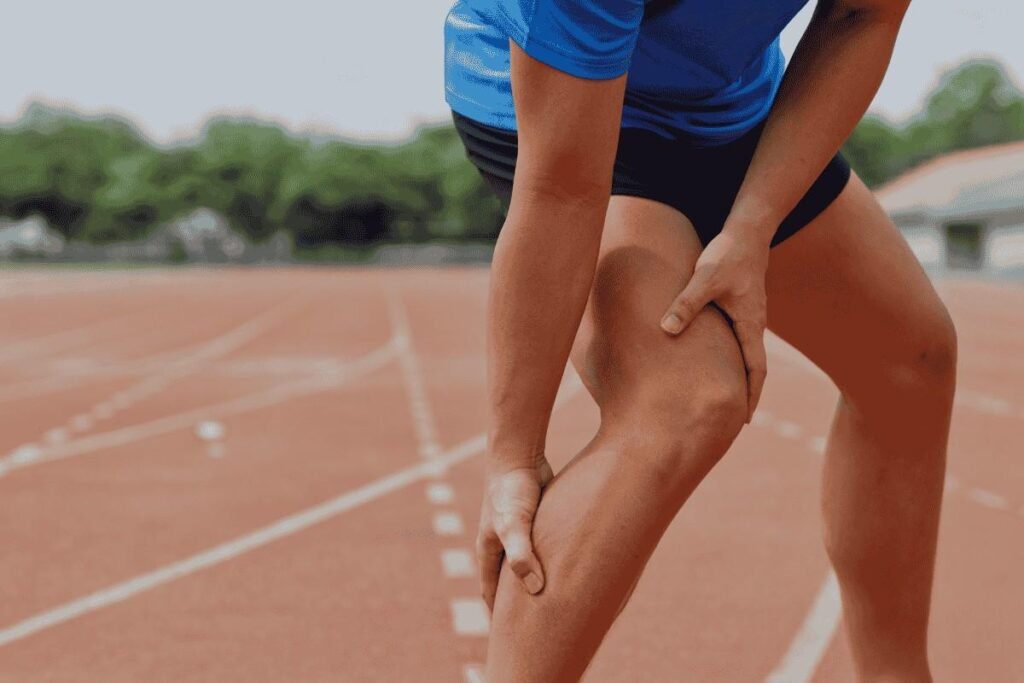
Sports injuries occur when muscles, ligaments, tendons, or joints are stressed beyond their normal capacity during physical activities. These injuries may happen suddenly due to impact, twisting, or falls, or develop gradually from overtraining and repetitive strain. Common sports injuries include sprains, strains, muscle tears, ligament injuries, shoulder instability, knee injuries, and ankle sprains. Athletes and active individuals may experience pain, swelling, stiffness, or difficulty continuing their activity. At Rejoint Ortho Care, we evaluate sports injuries through detailed clinical examination and digital imaging to determine the severity. Our goal is to provide fast, effective treatment to promote safe recovery and prevent future injuries.

Understanding Sports Injuries

Understanding sports injuries begins with recognising how movement patterns, muscle imbalances, poor technique, or inadequate warm-up contribute to strain on the body. High-impact sports, sudden direction changes, overuse, and fatigue can increase the risk of tissue damage. Some injuries occur instantly, while others develop slowly due to repetitive stress on joints and muscles. Early evaluation is essential to avoid long-term complications and recurring pain. At Rejoint Ortho Care, we assess your activity level, biomechanics, and specific injury mechanism to determine the root cause. This allows us to create targeted treatment plans that support complete healing and enhance overall athletic performance.

HOW THE PROCESS WORKS

Expert Orthopaedic Care

We provide specialized orthopaedic evaluation and treatment to relieve pain, restore mobility, and support long-term joint health.

Advanced Diagnostics

Our digital X-rays and lab tests ensure accurate diagnosis, enabling precise treatment planning for faster, effective recovery.

Reliable Outcomes

Personalized care, expert guidance, and evidence-based treatments deliver consistent, long-lasting improvements for every patient’s condition
Treatment for Sports Injuries

Sports injury treatment at Rejoint Ortho Care focuses on reducing pain, restoring mobility, and helping athletes return safely to their activities. After a thorough assessment and diagnostic imaging, our specialists design a personalized treatment plan. Physiotherapy plays a major role, using strengthening exercises, mobility training, and manual therapy to improve function. Cold or heat therapy, taping, bracing, and pain-relief medication may be used when necessary. For ligament tears or severe injuries, advanced procedures or minimally invasive techniques may be recommended. Rehabilitation programs help rebuild strength, prevent future injuries, and enhance performance. Our goal is complete, safe recovery for every athlete.

Sports injury: Causes, Symptoms, and How to Manage It

Causes of Sports Injuries

  • Sudden impact, falls, or collisions during activity

  • Overuse from repetitive training or excessive strain

  • Poor warm-up or lack of stretching before exercise

  • Muscle imbalance or weak supporting muscles

  • Improper sports technique or posture

  • Inadequate footwear or unsafe playing surfaces

  • Fatigue leading to reduced coordination and control

Symptoms of Sports Injuries

  • Pain during activity or at rest

  • Swelling or bruising around the injured area

  • Stiffness or difficulty moving the joint or muscle

  • Muscle weakness or instability

  • Sharp or shooting pain during movement

  • Tenderness when pressing the affected area

  • Inability to continue the sport or bear weight

What Can I Do If I Have Sports Injuries?

  • Rest the injured area and avoid aggravating activities

  • Apply ice to reduce swelling and inflammation

  • Use compression or bandaging for support

  • Elevate the injured limb to minimize swelling

  • Perform gentle stretching only when pain reduces

  • Use braces or sports supports if advised

  • Visit Rejoint Ortho Care for accurate diagnosis and a structured recovery plan

Rebuilding Strength with Precision Care

Ligament and Tendon Injuries

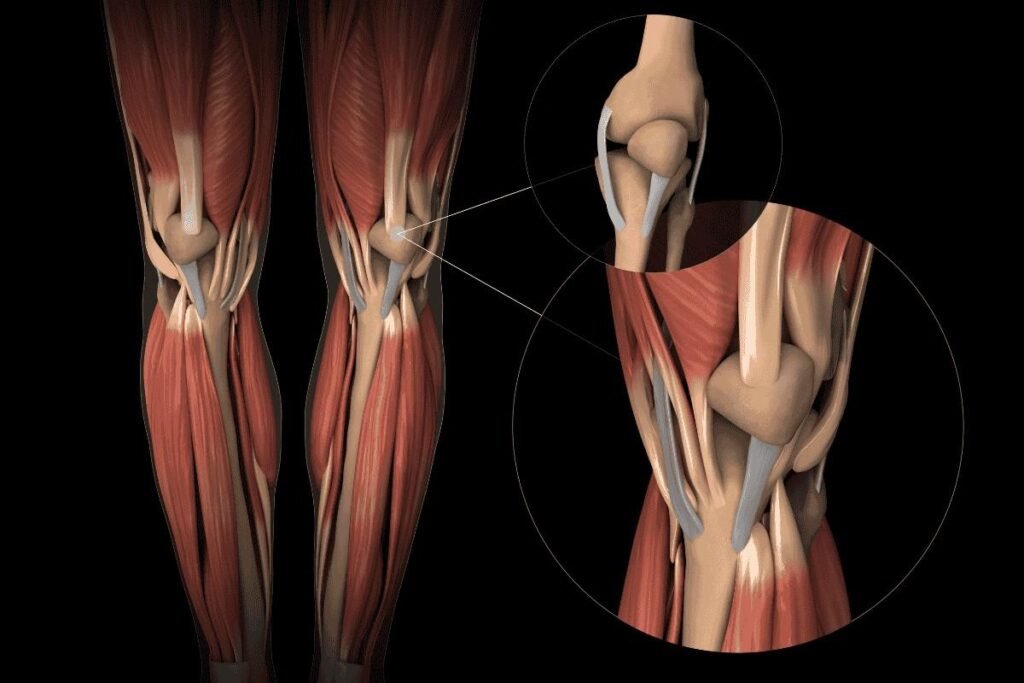
Ligament and tendon injuries are common musculoskeletal problems that occur when these soft tissues are stretched, torn, or overloaded. Ligaments connect bones and stabilize joints, while tendons attach muscles to bones and support movement. Sudden twisting, impact, overuse, or improper technique can lead to sprains, strains, partial tears, or complete ruptures. These injuries often cause pain, swelling, weakness, and difficulty moving the affected joint. Athletes and active individuals are more prone, but anyone can experience them during daily activities. At Rejoint Ortho Care, we offer accurate diagnosis and personalized treatment to promote fast healing, restore stability, and prevent long-term complications.

Understanding Ligament and Tendon Injuries

ligament and tendon injuries begins with recognizing how these structures function in joint stability and movement. Ligaments prevent excessive motion, while tendons transmit muscle force making them vulnerable to injury when stressed beyond their limits. Sudden trauma, repetitive strain, muscle imbalances, or improper warm-up can weaken these tissues. Mild injuries may cause soreness, while severe tears can significantly affect mobility. Early evaluation is important to avoid chronic instability, persistent pain, or joint degeneration. At Rejoint Ortho Care, we assess your symptoms, activity levels, and movement patterns to determine the exact cause and severity, allowing us to design effective, long-term recovery plans.

HOW THE PROCESS WORKS

Expert Orthopaedic Care

We provide specialized orthopaedic evaluation and treatment to relieve pain, restore mobility, and support long-term joint health.

Advanced Diagnostics

Our digital X-rays and lab tests ensure accurate diagnosis, enabling precise treatment planning for faster, effective recovery.

Reliable Outcomes

Personalized care, expert guidance, and evidence-based treatments deliver consistent, long-lasting improvements for every patient’s condition
Treatment for Ligament and Tendon Injuries

Treatment for ligament and tendon injuries at Rejoint Ortho Care aims to reduce pain, restore joint stability, and support safe healing. After diagnosis using clinical evaluation and digital imaging, we design a personalized treatment plan. Physiotherapy is essential to strengthen muscles, improve flexibility, and protect the injured tissue. Rest, ice, compression, and elevation may be recommended initially. Bracing or taping helps support unstable joints during recovery. Pain medications or anti-inflammatory therapies may be prescribed when needed. For severe tears, minimally invasive procedures or surgical repair may be considered. Our rehabilitation approach focuses on restoring full function and preventing future injuries.

Ligament & Tendon Injuries: Causes, Symptoms, and How to Manage It

Causes of Ligament & Tendon Injuries

  • Sudden twisting, impact, or awkward movement

  • Overuse or repetitive strain from sports or work

  • Weak muscles leading to increased joint stress

  • Poor warm-up or lack of stretching before activity

  • Incorrect technique during exercise or sports

  • Previous injuries weakening the tissues

  • Sudden increases in activity intensity or training load

Symptoms of Ligament & Tendon Injuries

  • Sharp or aching pain around the affected joint

  • Swelling or inflammation shortly after injury

  • Joint instability or difficulty bearing weight

  • Reduced range of motion

  • Tenderness when touching the injured area

  • Bruising around the joint or muscle

  • Weakness or inability to continue normal activities

What Can I Do If I Have Ligament & Tendon Injuries?

  • Rest the injured area and avoid painful movements

  • Apply ice to reduce swelling and discomfort

  • Use compression or supportive braces as advised

  • Gently elevate the limb to control swelling

  • Begin mild stretching only after pain decreases

  • Avoid overexertion and follow proper warm-up routines

  • Visit Rejoint Ortho Care for proper evaluation and a structured recovery plan

Safe Healing, Strong Recovery

Fractures and Dislocations

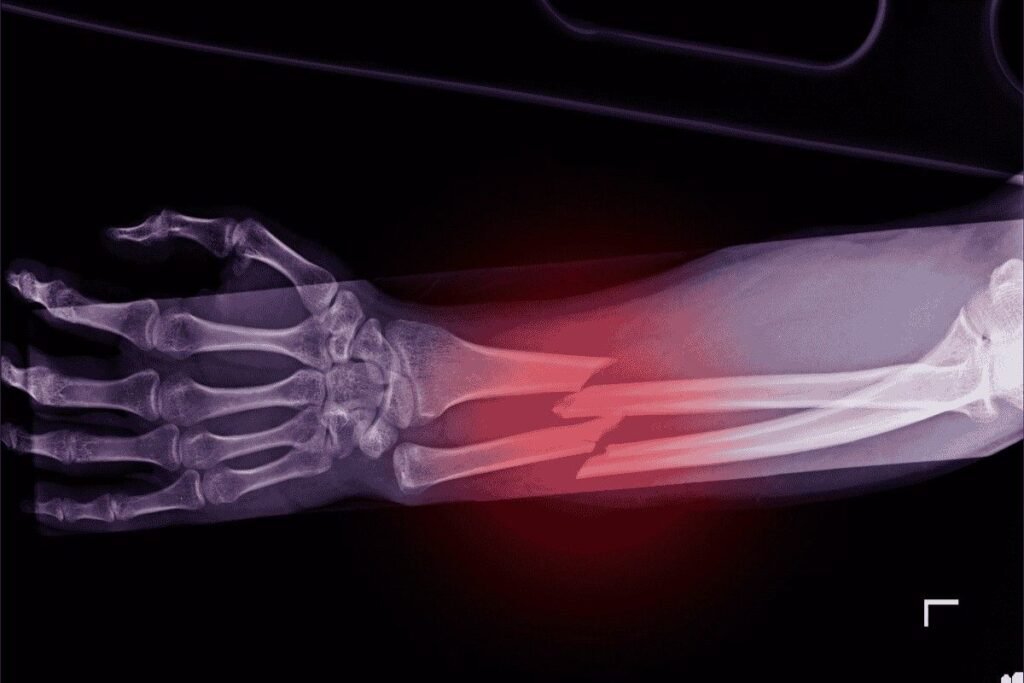
Fractures and dislocations are serious orthopaedic injuries that occur when the bone breaks or the joint is forced out of its normal position. These injuries commonly result from falls, sports accidents, road incidents, or sudden impact. Fractures may be simple, complex, or open, while dislocations often involve joints like the shoulder, elbow, hip, or fingers. Symptoms include intense pain, swelling, deformity, and inability to move the affected area. Immediate medical attention is essential to prevent complications. At Rejoint Ortho Care, we provide accurate diagnosis, expert realignment, and structured rehabilitation to ensure proper healing and restore mobility safely and effectively.

Understanding Fractures and Dislocations

Fractures and dislocations begins with recognizing how bones and joints respond to excessive force or trauma. A fracture occurs when the bone is overloaded and breaks, while a dislocation happens when the joint surfaces are forced apart. These injuries can vary in severity depending on the impact, bone strength, and age of the patient. Improper handling or delayed treatment can worsen the injury or lead to long-term instability. At Rejoint Ortho Care, we thoroughly assess the injury through clinical evaluation and digital X-rays to determine its extent. This helps us create a precise, personalized treatment plan for safe recovery.

HOW THE PROCESS WORKS

Expert Orthopaedic Care

We provide specialized orthopaedic evaluation and treatment to relieve pain, restore mobility, and support long-term joint health.

Advanced Diagnostics

Our digital X-rays and lab tests ensure accurate diagnosis, enabling precise treatment planning for faster, effective recovery.

Reliable Outcomes

Personalized care, expert guidance, and evidence-based treatments deliver consistent, long-lasting improvements for every patient’s condition
Treatment for Fractures and Dislocations

Treatment at Rejoint Ortho Care focuses on realigning the bone or joint, stabilizing the injury, and ensuring proper healing. Depending on the severity, fractures may be treated with plaster casting, splinting, braces, or surgical fixation using plates, screws, or rods. Dislocations require careful closed reduction to reposition the joint, followed by immobilization to support healing. Pain control, ice therapy, and swelling management form the early phase of treatment. Physiotherapy is essential to restore strength, mobility, and function after immobilization. Our expert team ensures that each patient receives comprehensive care for safe, effective, and long-lasting recovery.

Fractures and Dislocations: Causes, Symptoms, and How to Manage It

Causes of Fractures & Dislocations

  • Falls from height or sudden slips

  • Road traffic accidents and severe impact

  • Sports injuries involving twisting or collision

  • Weak or brittle bones due to osteoporosis

  • Direct trauma to limbs or joints

  • Overuse or stress fractures from repetitive strain

  • High-impact physical activities without proper support

Symptoms of Fractures & Dislocations

  • Sudden, severe pain at the injury site

  • Visible deformity or abnormal joint position

  • Swelling, bruising, or warmth around the area

  • Inability to move or bear weight

  • Audible crack, snap, or pop sound

  • Numbness or tingling due to nerve pressure

  • Loss of function in the affected limb or joint

What Can I Do If I Have Fractures & Dislocations?

  • Immobilize the injured area and avoid movement

  • Apply ice packs to reduce swelling

  • Keep the limb elevated to control swelling

  • Avoid trying to realign the joint yourself

  • Use a temporary splint if available

  • Do not apply heat or massage the injury

  • Visit Rejoint Ortho Care immediately for proper diagnosis and treatment

Advanced Care for a Healthy Spine

Spine-Related Problems

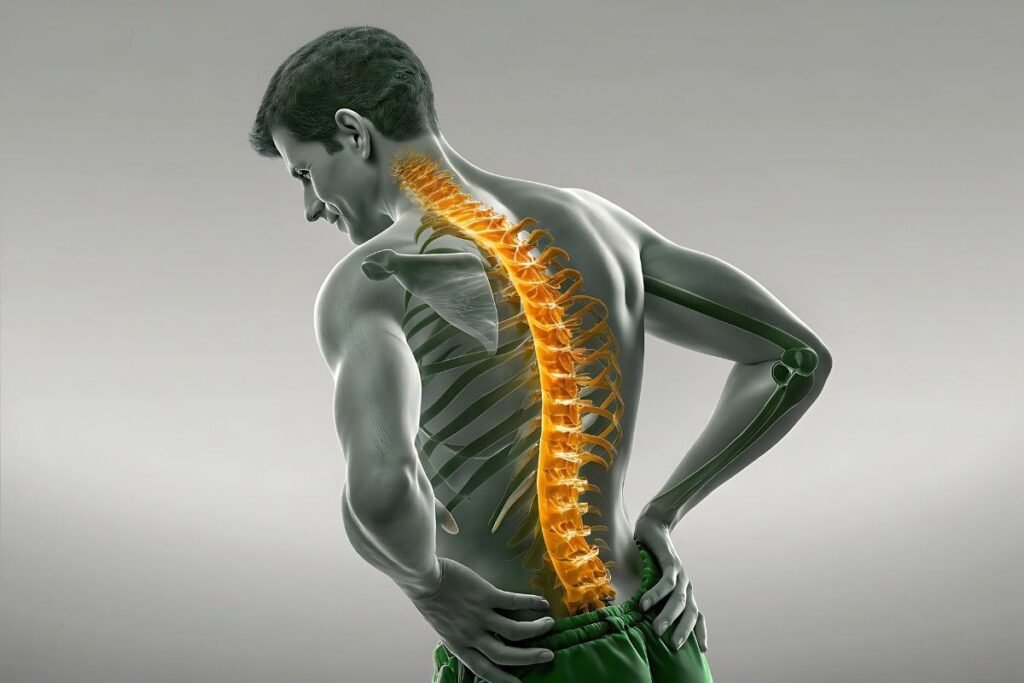
Spine-related problems include conditions that affect the vertebrae, discs, nerves, and supporting muscles of the back. These issues can arise from poor posture, age-related degeneration, injuries, or medical conditions such as disc herniation, sciatica, and spinal stenosis. People with spine problems may experience back pain, neck pain, stiffness, nerve compression, or radiating pain to the arms or legs. These conditions can interfere with daily movement and significantly affect quality of life. At Rejoint Ortho Care, we evaluate spine problems through clinical examination and digital imaging to pinpoint the cause and create a personalized treatment plan for safe and effective recovery.

Understanding Spine-Related Problems

spine-related problems involves recognizing how everyday activities, structural changes, and mechanical stress impact the spinal column. Poor posture, prolonged sitting, weak core muscles, and repetitive strain can overload the spine. Degenerative changes like disc wear or bone spurs can compress nerves, causing pain, numbness, or weakness. Some conditions develop slowly, while others arise suddenly due to injury. Early evaluation is essential to prevent long-term complications such as chronic pain or mobility loss. At Rejoint Ortho Care, we analyze your lifestyle, movement patterns, and symptoms to identify the underlying issue and develop an effective, individualized management plan.

HOW THE PROCESS WORKS

Expert Orthopaedic Care

We provide specialized orthopaedic evaluation and treatment to relieve pain, restore mobility, and support long-term joint health.

Advanced Diagnostics

Our digital X-rays and lab tests ensure accurate diagnosis, enabling precise treatment planning for faster, effective recovery.

Reliable Outcomes

Personalized care, expert guidance, and evidence-based treatments deliver consistent, long-lasting improvements for every patient’s condition
Treatment for Spine-Related Problems

Treatment at Rejoint Ortho Care focuses on relieving pain, reducing nerve compression, and restoring functional movement. Physiotherapy plays a vital role, offering strengthening exercises, posture correction, and spine stabilization programs. Manual therapy and traction may be used to reduce stiffness and pressure on nerves. Pain medications or anti-inflammatory treatments help manage symptoms during recovery. For more severe conditions, advanced therapies such as nerve blocks or minimally invasive procedures may be recommended. Our goal is long-term relief through proper diagnosis, targeted rehabilitation, and lifestyle modifications that support spine health and prevent recurrence.

Spine-Related Problems: Causes, Symptoms, and How to Manage It

Causes of Spine-Related Problems

  • Poor posture or prolonged sitting

  • Disc bulge or herniation

  • Age-related spinal degeneration

  • Weak core and back muscles

  • Trauma or sudden injury

  • Arthritis affecting spinal joints

  • Repetitive strain or overuse

Symptoms of Spine-Related Problems

  • Back or neck pain

  • Numbness or tingling in limbs

  • Radiating pain to arms or legs

  • Muscle weakness or fatigue

  • Stiffness or reduced flexibility

  • Difficulty standing or walking

  • Sharp shooting nerve pain

What Can I Do If I Have Spine-Related Problems?

  • Avoid prolonged sitting or heavy lifting
  • Use heat for stiffness and ice for swelling

  • Sleep with proper spine support

  • Practice gentle stretching and mobility exercises

  • Visit Rejoint Ortho Care for early diagnosis and treatment

Comfort in Every Step

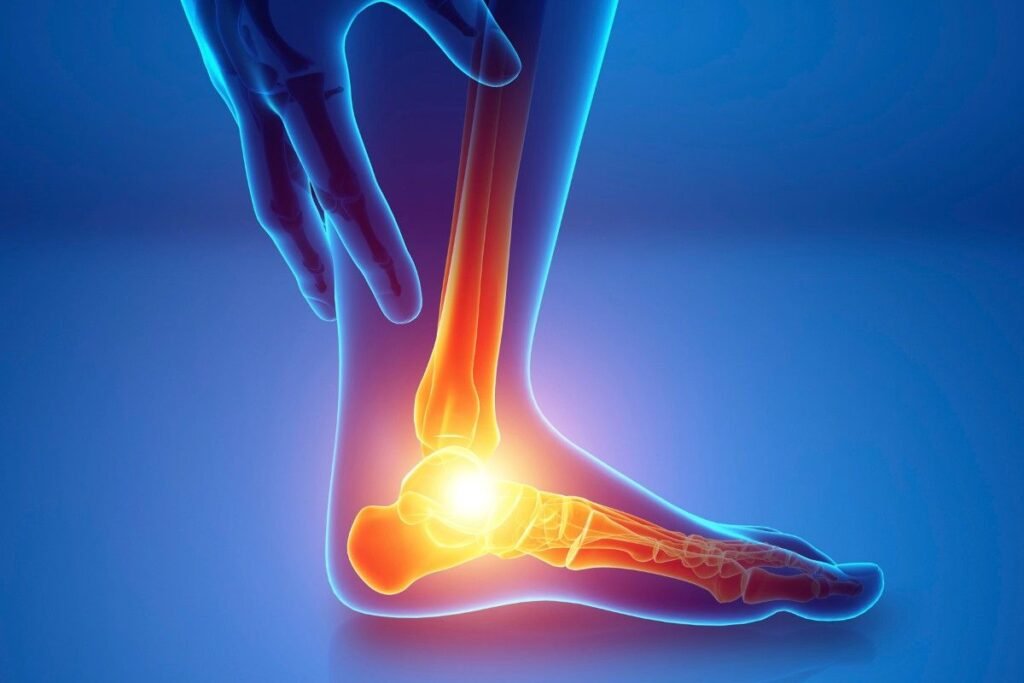
Foot and ankle conditions include injuries and disorders affecting the bones, ligaments, tendons, and muscles of the lower limb. These conditions may result from overuse, improper footwear, sports injuries, trauma, or age-related wear. Common issues include ankle sprains, plantar fasciitis, Achilles tendonitis, flat feet, and fractures. Pain, swelling, instability, and difficulty walking are frequent symptoms. Foot and ankle problems can significantly affect mobility and balance. At Rejoint Ortho Care, we assess each condition using clinical evaluation and imaging to determine the underlying cause. Our treatment approach focuses on relieving pain, restoring function, and helping patients walk comfortably again.

Understanding Foot & Ankle Conditions

Foot and ankle conditions requires recognizing how daily activities, weight-bearing, and biomechanics influence these complex structures. Sports activities, long hours of standing, improper gait, or lack of arch support can strain the lower limbs. Sudden twists, repetitive movement, or structural deformities may also trigger pain or instability. These conditions can range from mild irritation to severe injuries requiring advanced care. At Rejoint Ortho Care, we evaluate your movement patterns, footwear habits, and medical history to identify the root cause. This allows us to deliver precise, effective treatment plans suited to your specific needs and lifestyle.

HOW THE PROCESS WORKS

Expert Orthopaedic Care

We provide specialized orthopaedic evaluation and treatment to relieve pain, restore mobility, and support long-term joint health.

Advanced Diagnostics

Our digital X-rays and lab tests ensure accurate diagnosis, enabling precise treatment planning for faster, effective recovery.

Reliable Outcomes

Personalized care, expert guidance, and evidence-based treatments deliver consistent, long-lasting improvements for every patient’s condition
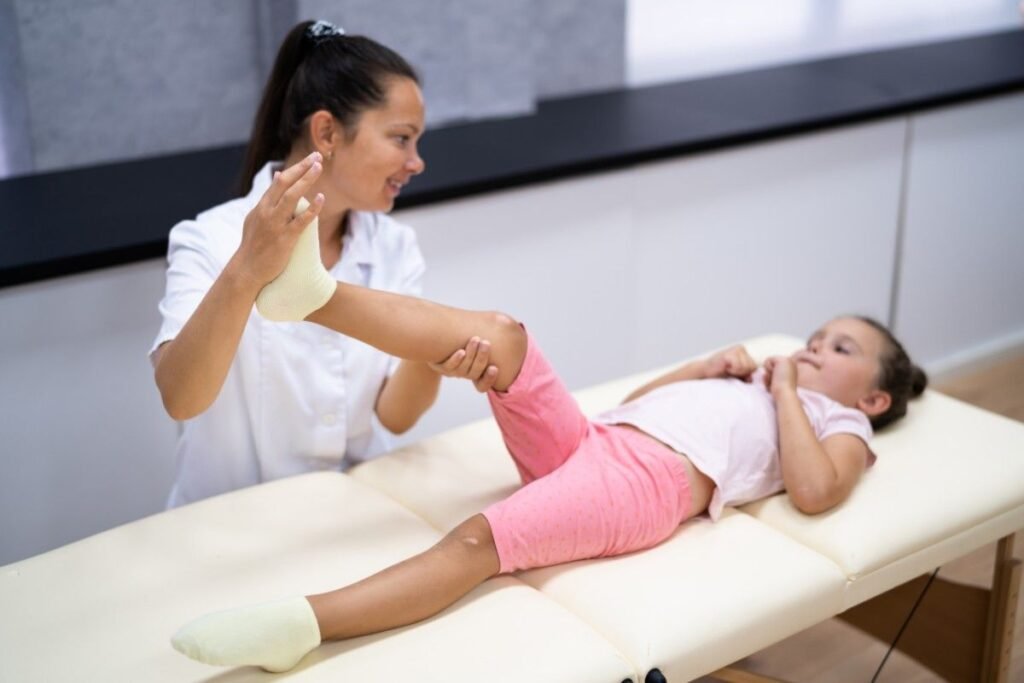
Treatment for Foot & Ankle Conditions

Foot and ankle treatment at Rejoint Ortho Care aims to improve mobility, reduce pain, and restore stability. Depending on the severity, treatment may include physiotherapy, strengthening exercises, gait correction, or supportive footwear. Ice therapy, compression, and elevation help manage swelling. For ligament injuries or tendon issues, braces or orthotics may be recommended. Medications reduce inflammation and discomfort. In severe cases, imaging-guided injections or minimally invasive procedures may be necessary. Rehabilitation plays a crucial role in helping patients return to normal walking patterns and preventing future injuries. Our goal is comfortable, confident movement with long-term relief.

Foot & Ankle Conditions: Causes, Symptoms, and How to Manage It

Causes of Foot & Ankle Conditions

  • Sudden twisting or rolling of the ankle

  • Overuse from sports or prolonged activity

  • Poor footwear or lack of arch support

  • Flat feet or high arches

  • Trauma from falls or impact

  • Tendon or ligament strain

  • Bone degeneration or arthritis

Symptoms of Foot & Ankle Conditions

  • Foot or ankle pain during walking

  • Swelling and stiffness

  • Instability or frequent twisting

  • Difficulty standing for long hours

  • Heel pain or arch discomfort

  • Bruising around the joint

  • Reduced range of motion

What Can I Do If I Have Foot & Ankle Conditions?

  • Use proper, supportive footwear

  • Rest and elevate the foot

  • Apply ice to reduce swelling

  • Avoid walking on uneven surfaces

  • Perform gentle stretching exercises

  • Use braces or orthotics when needed

  • Visit Rejoint Ortho Care for evaluation and treatment

Gentle Care for Growing Bones

Pediatric & Geriatric Orthopaedic Issues

Pediatric and geriatric orthopaedic issues involve bone, joint, and muscle conditions that affect children and older adults. In children, common problems include flat feet, gait abnormalities, clubfoot, developmental hip issues, and fractures. In older adults, conditions such as arthritis, osteoporosis, fractures, and balance problems are more frequent due to age-related changes. Both age groups require specialized evaluation and gentle, customized care. At Rejoint Ortho Care, we provide accurate diagnosis and age-appropriate treatment designed to reduce pain, improve mobility, and support healthy bone development in children and independent movement in elderly patients.

Understanding Pediatric & Geriatric Issues

Pediatric and geriatric orthopaedic issues requires recognizing their unique needs. Children’s bones are still developing, making them more flexible yet more prone to certain deformities or growth-related problems. Early detection is essential for proper development. In elderly individuals, decreasing bone density, muscle weakness, and joint degeneration often lead to pain, stiffness, and increased fall risk. Mobility challenges and slow healing are common concerns. At Rejoint Ortho Care, we assess lifestyle, growth patterns, and physical limitations to identify the underlying condition. Our goal is to create safe, effective, and age-appropriate treatment plans for both groups.

HOW THE PROCESS WORKS

Expert Orthopaedic Care

We provide specialized orthopaedic evaluation and treatment to relieve pain, restore mobility, and support long-term joint health.

Advanced Diagnostics

Our digital X-rays and lab tests ensure accurate diagnosis, enabling precise treatment planning for faster, effective recovery.

Reliable Outcomes

Personalized care, expert guidance, and evidence-based treatments deliver consistent, long-lasting improvements for every patient’s condition

Treatments We Offer for Joint Pain

Treatment for pediatric and geriatric issues at Rejoint Ortho Care focuses on safety, comfort, and long-term improvement. For children, therapy may involve corrective exercises, casting, bracing, or physiotherapy to encourage proper growth and alignment. For elderly patients, treatment includes joint pain management, strengthening exercises, fall-prevention guidance, walking support, and arthritis care. Medications and digital X-rays help monitor bone health and healing progress. Severe deformities or injuries may require surgical intervention, performed with careful consideration of age-specific needs. Our approach ensures personalized care that promotes independence, mobility, and overall well-being across all age groups.

Pediatric & Geriatric Issues: Causes, Symptoms, and How to Manage It

Causes of Pediatric & Geriatric Issues

  • Growth-related abnormalities in children

  • Birth deformities or developmental issues

  • Weak bones due to osteoporosis in elders

  • Age-related joint degeneration

  • Poor balance leading to falls

  • Sports or playground injuries in children

  • Muscle weakness or reduced mobility in elders

Symptoms of Pediatric & Geriatric Issues

  • Difficulty walking or standing

  • Joint pain or stiffness

  • Bone deformities or abnormal gait

  • Frequent falls or imbalance

  • Swelling or discomfort in joints

  • Delayed physical development in children

  • Reduced strength or flexibility

What Can I Do If I Have Pediatric & Geriatric Issues?

  • Encourage safe physical activity

  • Use age-appropriate footwear

  • Maintain good nutrition and calcium intake

  • Ensure proper posture and walking support

  • Monitor children’s growth and movement

  • Prevent falls with supportive aids for elders

  • Visit Rejoint Ortho Care for specialized care

Supportive Care for Active Aging